The first time you dance in front of other people — really dance, not the safe side-to-side shuffle at a wedding — something inside you cracks open. It might feel like terror at first. Your body is exposed, your coordination on display, your carefully maintained composure abandoned in favor of something raw and uncontrolled. But if you stay with it, if you keep moving past the fear, something else emerges on the other side: the quiet, unshakable knowledge that you can survive being seen. That knowledge is the foundation of confidence, and dance builds it from the ground up.
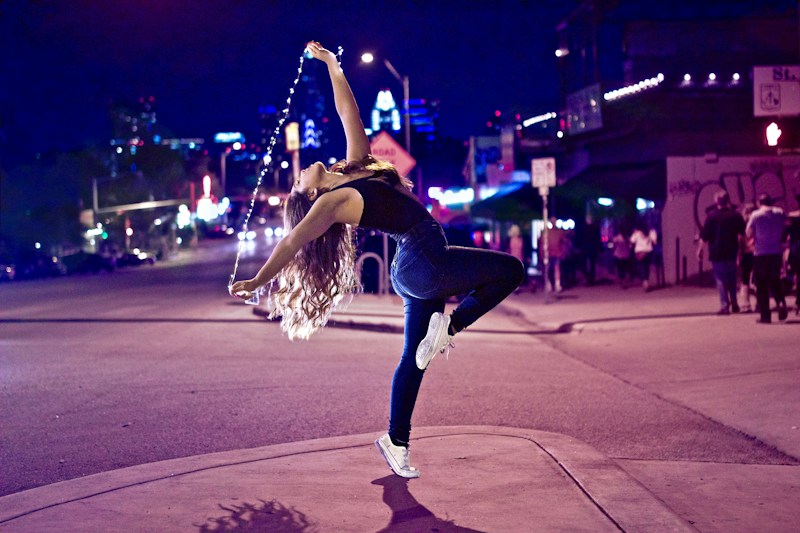
The Psychology of Embodied Confidence
Confidence is not a thought. It is a felt sense — a physical state that lives in posture, breath, and the way you occupy space. Social psychologist Amy Cuddy's research on "power poses" sparked a popular conversation about this, but dancers have known it for centuries: how you hold your body shapes how you feel about yourself.
Dr. Peter Lovatt's studies at the University of Hertfordshire provided direct evidence for dance's impact on self-esteem. In one study, participants who completed an eight-week dance program showed significant improvements in body image, self-confidence, and social comfort compared to a control group that engaged in traditional exercise. Lovatt attributed the difference to dance's unique combination of physical mastery, creative expression, and social interaction — three pillars that each independently support self-esteem and together produce compounding effects.
The mechanism is elegantly simple. Dance presents you with a challenge (learn this step, express this feeling, coordinate with this partner), you struggle with it, and eventually your body masters it. Each small mastery — nailing a turn, finding the beat, improvising through a transition — deposits a grain of evidence in the mental account labeled "I am capable." Over weeks and months, those grains accumulate into genuine self-belief.
Psychologist Albert Bandura called this self-efficacy — the belief in your ability to succeed in specific situations. His research showed that self-efficacy is built primarily through mastery experiences, and dance provides them in abundance. Every class, every social dance, every moment of improvisation is a small laboratory for proving to yourself that you can do hard things.
The Transformation Nobody Sees Coming
Walk into any beginner dance class and you will find the same scene: people hugging the walls, avoiding eye contact, apologizing before they have even started. "I have two left feet." "I have no rhythm." "I am going to be terrible at this." The self-deprecation is a shield, and almost everyone carries it.
Then something remarkable happens over the coming weeks. The person who could not make eye contact starts smiling at their partner. The one who apologized for existing begins to take up space. The self-proclaimed "terrible dancer" starts showing up early because they cannot wait to practice. The physical skills matter, but they are almost secondary to the psychological transformation happening underneath. What is really changing is the story these people tell about themselves.
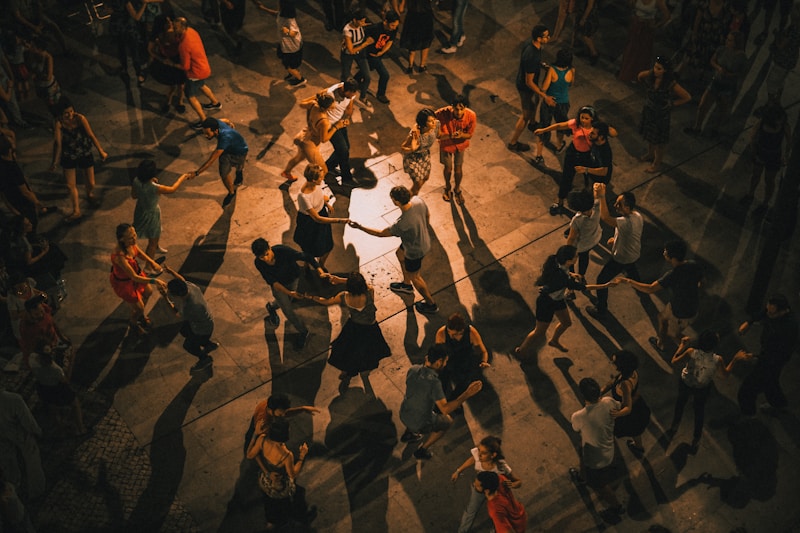
This is not limited to formal training. Social dancing — salsa, swing, tango, blues — offers a particularly powerful confidence laboratory because it involves real-time connection with another person. Leading requires decisiveness and spatial awareness. Following requires trust, responsiveness, and the confidence to embellish. Both roles demand presence, vulnerability, and the willingness to recover from mistakes without spiraling into shame.
Building Confidence Through Dance: A Practical Path
- Start where you are. You do not need talent, coordination, or a "dancer's body" to begin. Every expert was once a terrified beginner. The only requirement is willingness.
- Celebrate micro-wins. Did you show up? Win. Did you try a new step? Win. Did you mess up and keep going? That is the biggest win of all. Confidence is not built by avoiding failure — it is built by surviving it.
- Track your progress. Record yourself dancing once a month. Not to critique, but to witness growth. Watching your own improvement over time is one of the most powerful self-esteem builders available.
- Dance in community. Solo practice builds skill, but social dancing builds social confidence. The experience of being accepted, supported, and enjoyed by others while you move is profoundly healing for people who grew up believing they were "too much" or "not enough."
- Expand your movement vocabulary. Try different styles. Each one asks something different of your body and personality. Hip-hop asks for boldness. Ballet asks for precision. Contemporary asks for vulnerability. Expanding your range as a dancer expands your range as a person.
- Use posture as a tool. Before entering any intimidating situation — a meeting, a date, a difficult conversation — stand for a moment in a dancer's posture: spine long, shoulders open, weight centered. Feel your feet on the floor. Breathe. Carry that physical state with you.
Confidence is not something you are born with. It is something you build, one brave act at a time. Dance accelerates that building because it asks for bravery in the most fundamental way possible: it asks you to be fully in your body, fully visible, and fully alive. Every time you say yes to that invitation, you become a little more unshakable.