Your brain didn't evolve to think — it evolved to move. This provocative claim, championed by neuroscientist Daniel Wolpert, reframes our understanding of the brain's primary function. And if movement is what the brain was built for, then dance — the most complex, creative, and demanding form of human movement — may be the ultimate brain exercise. The neuroscience of dance reveals a stunning picture of whole-brain activation that no other single activity can match.
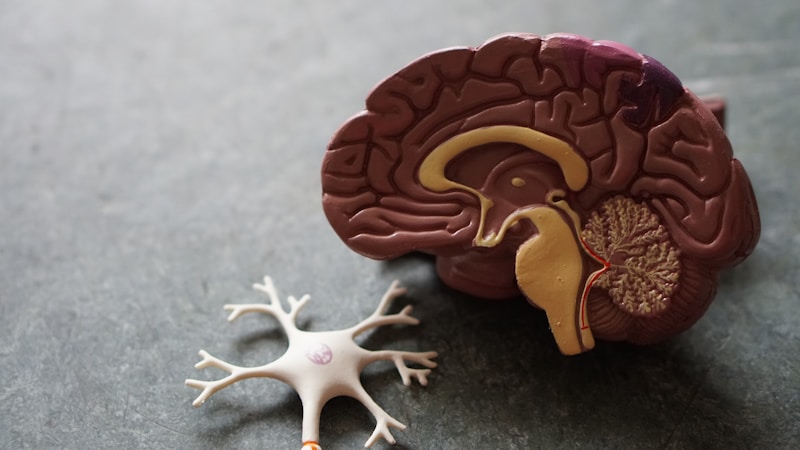
Dance Lights Up the Entire Brain
When neuroscientists put dancers in fMRI machines, they observe something remarkable: dance engages virtually every major brain region simultaneously. A 2006 study by Dr. Steven Brown published in Cerebral Cortex used PET imaging to map brain activity during tango and found activation across:
- Motor cortex and cerebellum — planning and executing movement sequences
- Basal ganglia — timing, rhythm, and automatic movement patterns
- Somatosensory cortex — processing body position and contact with the floor and partner
- Auditory cortex — processing music, beat, and rhythm
- Prefrontal cortex — decision-making, improvisation, and creative expression
- Hippocampus — spatial navigation and memory formation
- Amygdala and limbic system — emotional processing and expression
- Mirror neuron system — observing and imitating others' movements
This whole-brain engagement is what makes dance uniquely neuroprotective. Most activities specialize: chess works the prefrontal cortex, running engages the motor system, music activates auditory processing. Dance does all of these simultaneously, creating a rich web of neural connections that builds cognitive reserve — the brain's resilience against decline.
The famous New England Journal of Medicine study (2003) that found dance reduces dementia risk by 76% is best understood through this lens. Dance doesn't just exercise the brain — it exercises all of the brain, all at once, in ways that create robust, redundant neural pathways.
Neuroplasticity: How Dance Physically Changes the Brain
Dance doesn't just activate the brain — it remodels it. Neuroplasticity, the brain's ability to form new connections and even grow new neurons, is driven by novel, complex, and emotionally engaging experiences. Dance provides all three in abundance.
A groundbreaking 2017 study published in Frontiers in Human Neuroscience by Dr. Kathrin Rehfeld compared the effects of 18 months of dance training versus traditional fitness training on the brains of older adults. The results were remarkable:
- Both groups showed increased hippocampal volume (important for memory).
- Only the dance group showed improvements in balance and in the volume of additional brain regions including the subiculum (involved in spatial memory) and the cingulate cortex (involved in attention and emotional regulation).
- Only the dance group showed increased levels of brain-derived neurotrophic factor (BDNF) — a protein critical for neuron growth and survival, often called "miracle-gro for the brain."
The BDNF finding is particularly significant. BDNF levels decline with age and are reduced in depression, Alzheimer's disease, and other neurological conditions. Research published in Nature Reviews Neuroscience identifies BDNF as one of the key mediators of exercise's neuroprotective effects. Dance appears to be an especially potent BDNF booster, likely because it combines physical exertion with cognitive challenge and emotional engagement.
Improvisation adds another neuroplastic dimension. When dancers improvise, fMRI studies show a characteristic pattern: the medial prefrontal cortex (self-expression) activates while the dorsolateral prefrontal cortex (self-monitoring, inhibition) deactivates. This is the same neural signature seen in jazz musicians during improvisation and is associated with creative flow states. Regular practice of improvised dance may strengthen the brain's capacity for creative thinking and flexible problem-solving.
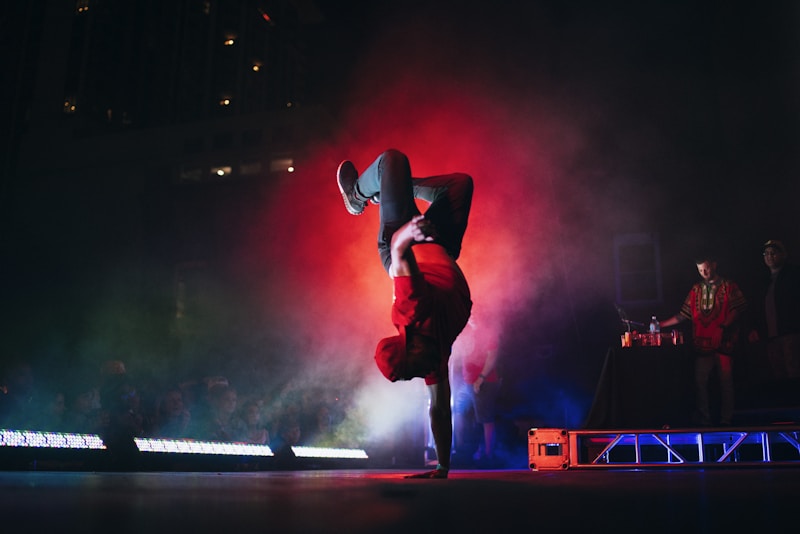
Practical Implications: Dance as Brain Training
The neuroscience suggests specific ways to maximize dance's brain benefits:
- Learn new choreography regularly. The cognitive demand of memorizing sequences drives neuroplastic change. Once a routine becomes automatic, the brain benefits diminish — so keep learning new material.
- Dance to diverse music. Different rhythms and tempos challenge the auditory-motor coupling in different ways, strengthening the connections between hearing and movement.
- Improvise. Even if you primarily learn set choreography, spend time moving freely. Improvisation engages the creative brain circuits that choreography alone doesn't fully activate.
- Dance with others. Social dancing activates the mirror neuron system, the theory-of-mind network, and emotional processing regions that solo dancing misses.
- Embrace complexity. Dances that involve partner work, musical interpretation, and spatial navigation (like swing, salsa, or contact improvisation) provide the richest neural workout.
- Be a beginner again. Periodically starting a new dance style forces the brain into high-plasticity learning mode, which is where the most growth occurs.
The neuroscience is clear: dance is not merely exercise for the body that happens to involve the brain. It is fundamentally a brain activity — the most comprehensive one we know of. Every time you step onto a dance floor, you're not just moving your body; you're sculpting your brain, building cognitive reserve, and investing in the long-term health of the organ that makes you you.