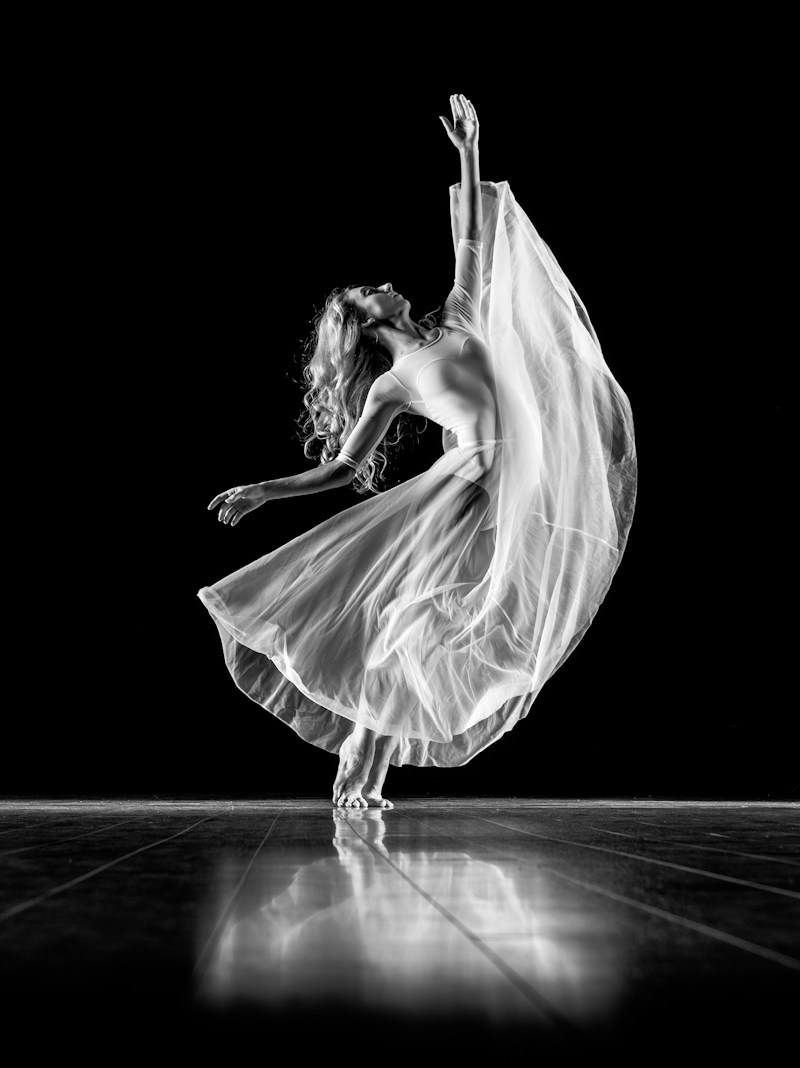
Stand up straight. You've heard it a thousand times — from parents, teachers, doctors. But telling someone to stand up straight is about as useful as telling someone to be taller. Good posture isn't a position you hold through sheer willpower; it's a skill that requires body awareness, muscular balance, and habit. Dance builds all three, which is why dancers are consistently recognized for their remarkable carriage and alignment — on stage and off.
Why Modern Life Destroys Posture — and How Dance Fixes It
The average American spends over 7 hours per day sitting, according to the Annals of Internal Medicine. This prolonged flexion creates a predictable pattern of postural dysfunction: shortened hip flexors pull the pelvis forward, weakened glutes fail to counterbalance, the thoracic spine rounds, the head juts forward, and the shoulders internally rotate. Physical therapists call this upper crossed syndrome and lower crossed syndrome, and it's epidemic.
Dance systematically reverses these patterns. A 2016 study in the Journal of Physical Therapy Science found that a 12-week dance program significantly improved forward head posture, thoracic kyphosis (rounding), and lumbar lordosis (excessive low-back curve) in female university students. The improvements were maintained at follow-up, suggesting lasting postural change rather than temporary correction.
The mechanism is threefold:
-
Awareness. Dance develops proprioceptive acuity — the ability to sense where your body is in space. You can't correct what you can't feel. Within weeks of starting dance, students report becoming aware of their posture throughout the day, not just in class.
-
Muscular balance. Dance strengthens the muscles that support good alignment (deep core, upper back extensors, glutes, external rotators) while lengthening the muscles that pull you out of alignment (hip flexors, pectorals, upper trapezius). This balanced approach is far more effective than isolated "posture exercises."
-
Habit formation. Dance classes typically involve 60-90 minutes of sustained postural engagement. Over time, good alignment becomes your default rather than something you consciously maintain.
Different dance styles address posture in different ways. Ballet's emphasis on "pulling up" trains vertical alignment and spinal elongation. Tango's frame develops upper back strength and shoulder positioning. African and Afro-Caribbean dance styles strengthen the posterior chain and improve pelvic stability. Even free-form dance, by encouraging full-body movement, breaks the static holding patterns that contribute to poor posture.
The Health Consequences of Alignment
Posture isn't just aesthetics — it has measurable health implications. Research published in the Journal of the American Geriatrics Society found that hyperkyphotic posture (excessive thoracic rounding) is associated with increased mortality in older adults. Poor alignment compresses the thoracic cavity, reducing lung capacity and cardiovascular efficiency.
The musculoskeletal consequences are equally significant. Forward head posture increases the effective weight of the head on the cervical spine from roughly 10-12 pounds to as much as 60 pounds at severe angles, according to research by Dr. Kenneth Hansraj published in Surgical Technology International. This excess load contributes to chronic neck pain, tension headaches, and cervical disc degeneration.
Dance addresses these issues at their root. Rather than treating symptoms with massage or medication, it corrects the underlying muscular imbalances and movement patterns that create the problem in the first place.
Starting Your Posture Transformation Through Dance
Here's how to use dance specifically to improve your posture:
- Ballet or barre classes are the most posture-focused dance forms. Every exercise at the barre is an alignment exercise in disguise. Adult beginner classes are widely available and welcoming.
- Ballroom and Latin dance develop upper body carriage and frame. The connection with a partner provides constant feedback about your alignment.
- Pilates-infused contemporary dance combines core strengthening with spinal articulation — a powerful combination for postural rehabilitation.
- Practice the mirror check. In dance class, use the mirror not to judge your appearance but to calibrate your alignment. Over time, your internal sense of "straight" will align with reality.
Good posture isn't about rigidity — it's about easeful alignment, where your skeleton supports you and your muscles are free to move. Dance teaches this from the inside out, transforming not just how you stand, but how you inhabit your body.