On opening night of A Chorus Line in 1975, when the entire cast stepped forward in gold costumes and top hats for the finale of "One," the audience at the Shubert Theatre erupted into a standing ovation that lasted over five minutes. It was the moment Broadway declared, unequivocally: dance is not decoration. Dance is the show.
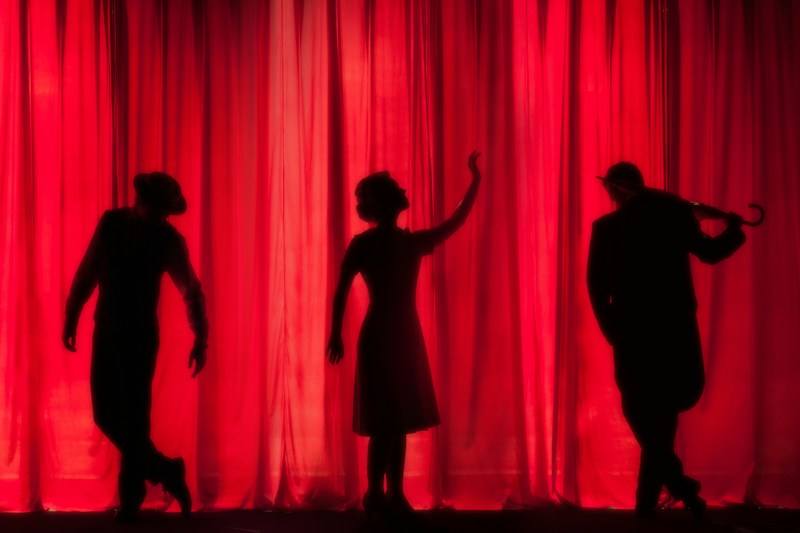
A Century of Movement on the Great White Way
Broadway's relationship with dance begins in the early 20th century with vaudeville and revues, but the real revolution arrived with choreographer Agnes de Mille's dream ballet in Oklahoma! (1943). For the first time, dance wasn't just spectacle between scenes — it advanced the plot and revealed character psychology. Suddenly, what a body did on stage mattered as much as what a voice sang.
Jerome Robbins took this further with West Side Story (1957), turning gang violence into breathtaking jazz and ballet choreography. The Jets and Sharks didn't just fight — they danced their rivalry, their anger, their territorial pride. Robbins proved that movement could carry narrative weight no dialogue ever could.
Then came Bob Fosse. With Chicago (1975), Pippin (1972), and Dancin' (1978), Fosse created an unmistakable vocabulary: turned-in knees, rolled shoulders, finger snaps, bowler hats, and an undercurrent of dark sexuality. His style was so singular that you can identify a Fosse number in three seconds flat. The 1996 revival of Chicago — still running as of this writing — is the longest-running American musical in Broadway history, and Fosse's choreography (recreated by Ann Reinking) is the reason people keep buying tickets.
The Modern Dance Musical
The 21st century has seen an explosion of dance-driven shows that push boundaries. Hamilton (2015), choreographed by Andy Blankenbuship, wove hip-hop movement into a period piece about the Founding Fathers. An American in Paris (2015) brought Christopher Wheeldon's ballet-infused storytelling to a 12-minute dream sequence that rivaled anything in film. MJ: The Musical (2022) challenged performers to recreate Michael Jackson's iconic moves eight shows a week — a physical feat that borders on athletic competition.
Meanwhile, shows like Ain't Too Proud (2019) and Tina: The Tina Turner Musical (2019) demanded that actors not only sing but embody the specific movement signatures of real artists. The Temptations' synchronized steps and Tina's explosive energy had to be exact, adding a layer of physical research to performance.
Why Broadway Dance Matters
What makes Broadway dance unique is its live, unrepeatable quality. A camera can do a hundred takes; a Broadway dancer gets one shot per show, 8 times a week, for months or years. The physical toll is staggering — injuries are endemic, and most chorus dancers earn far less than the stars whose names are on the marquee.
Yet the "gypsies" (Broadway's affectionate term for chorus dancers) are the backbone of the art form. Shows like A Chorus Line exist precisely to honor their stories — the audition anxiety, the injuries taped over, the love of movement that keeps them coming back.
Notable choreographers who shaped Broadway dance:
- Bob Fosse — Invented a style so iconic it became its own adjective
- Jerome Robbins — Fused ballet with street movement in West Side Story
- Michael Bennett — Created A Chorus Line from real dancers' stories
- Susan Stroman — Brought physical comedy to The Producers and Contact
- Sergio Trujillo — Infused Latin dance into On Your Feet! and Ain't Too Proud

Broadway doesn't just preserve dance traditions — it invents new ones. Every generation of choreographers builds on what came before, fusing ballet, jazz, hip-hop, contemporary, and cultural dance forms into something that can only exist in that magical 40-by-60-foot space between the wings.