On a Saturday night in 1928, the Savoy Ballroom on Lenox Avenue in Harlem was alive. A block long and glittering with a double bandstand, the "Track" -- as regulars called the maple dance floor -- held four thousand people bouncing, sliding, and swinging to the Chick Webb Orchestra. In one corner, a young dancer named George "Shorty" Snowden broke away from his partner, improvised a solo of quick, low-slung steps, and when a reporter later asked him what he was doing, he glanced at a newspaper headline about Lindbergh's transatlantic flight and said, "I'm doin' the Lindy Hop." A dance craze -- and a cultural revolution -- was born.
Origins: The Great Migration Meets the Jazz Age
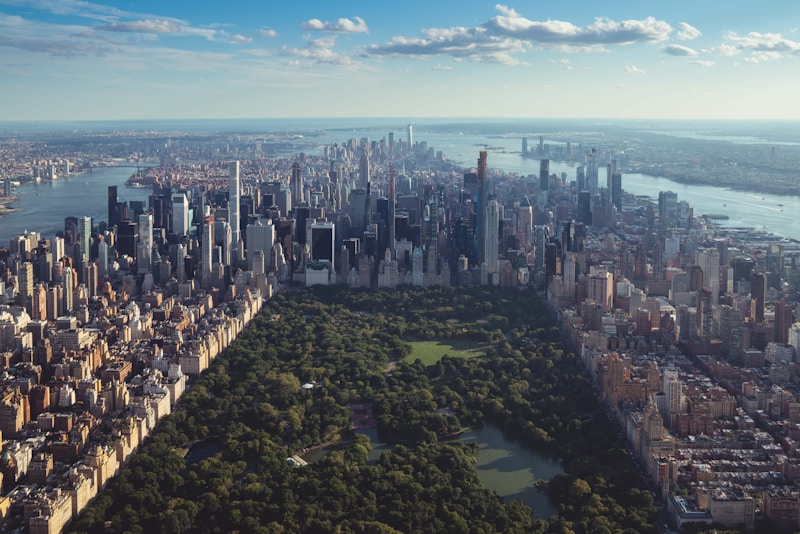
The Harlem Renaissance (roughly 1918-1937) was an explosion of Black art, literature, music, and dance centered in upper Manhattan. Its fuel was the Great Migration: between 1910 and 1930, over a million African Americans moved from the rural South to northern cities, carrying with them ring shouts, juba dances, buck-and-wing steps, and the rhythmic legacy of West African movement traditions. In Harlem, these roots collided with ragtime, stride piano, and the emerging sound of jazz.
Dance halls became the laboratories. The Savoy Ballroom, which opened on March 12, 1926, was revolutionary not only for its size but for its policy: it was integrated from day one, at a time when most New York venues were strictly segregated. On any given night, Black and white dancers shared the floor, and the competitive atmosphere -- "cutting contests" between rival dance crews in the northeast corner known as "Cat's Corner" -- drove constant innovation. The Charleston, which had swept white America after appearing in the Broadway show Runnin' Wild (1923), was already old news at the Savoy. Dancers there were pushing toward something faster, more improvisational, more airborne.
The Lindy Hop and Its Offshoots
The Lindy Hop crystallized around 1928-1930, blending Charleston kicks, breakaway partnering, and an elastic, grounded swing rhythm. Its genius was structural: a basic eight-count pattern gave partners enough framework to stay connected while leaving room for wild improvisation. Herbert "Whitey" White organized the best Savoy dancers into "Whitey's Lindy Hoppers," a troupe that toured the world and appeared in Hollywood films like Hellzapoppin' (1941), where their aerial sequences -- flips, over-the-back throws, slides through the legs -- still astonish viewers today.
The Lindy spawned a family of related dances. The Big Apple, Shag, and Balboa each adapted swing rhythm to regional tastes. Tap dancers like the Nicholas Brothers and Bill "Bojangles" Robinson fused Lindy energy with percussive footwork. And jazz dance itself -- the concert and Broadway form later codified by Jack Cole and Bob Fosse -- drew directly from the social dances incubated in Harlem's ballrooms.
Beyond steps and rhythms, Harlem's dance culture modeled a new kind of social space. Bandleader and dancer Frankie Manning, who is often credited with inventing the first aerial Lindy Hop move in 1935, later reflected that the Savoy was "the one place where it didn't matter what color you were, as long as you could dance." In a nation scarred by Jim Crow, the dance floor offered a glimpse of the integrated society that would take decades more to fight for.
Lasting Legacy
The Harlem Renaissance's dance legacy runs deep. The Lindy Hop revival that began in the 1980s, sparked by the documentary Eyes on the Prize and by original dancers like Manning teaching new generations, has grown into a global community with festivals on every continent. Social swing dancing thrives in Stockholm, Seoul, and Sao Paulo. Hip-hop, born in the South Bronx in the 1970s, inherited Harlem's ethos of improvisational, competitive, community-generated movement. And every time a dancer breaks from a pattern to express something personal -- a flash of humor, a cry of joy, a moment of raw invention -- they are channeling the spirit of Cat's Corner at the Savoy, where American social dance found its modern voice.