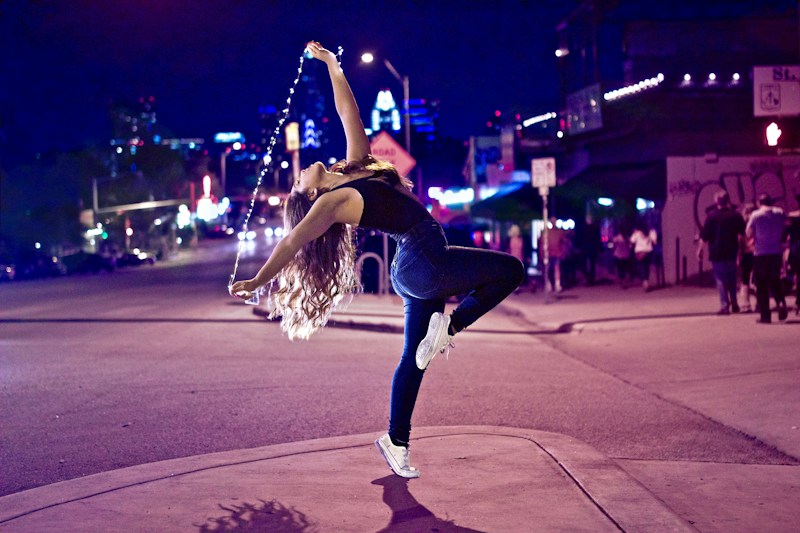
On a summer evening in the South Bronx in the 1970s, a kid with a boombox and a piece of cardboard could become a king. Hip-hop dance was born in the parks, community centers, and block parties of New York City -- a raw, joyful, competitive art form created by Black and Latino youth who transformed limited resources into limitless creativity. Today it is the most widely practiced social and performance dance style on the planet, a global language of rhythm, attitude, and self-expression.
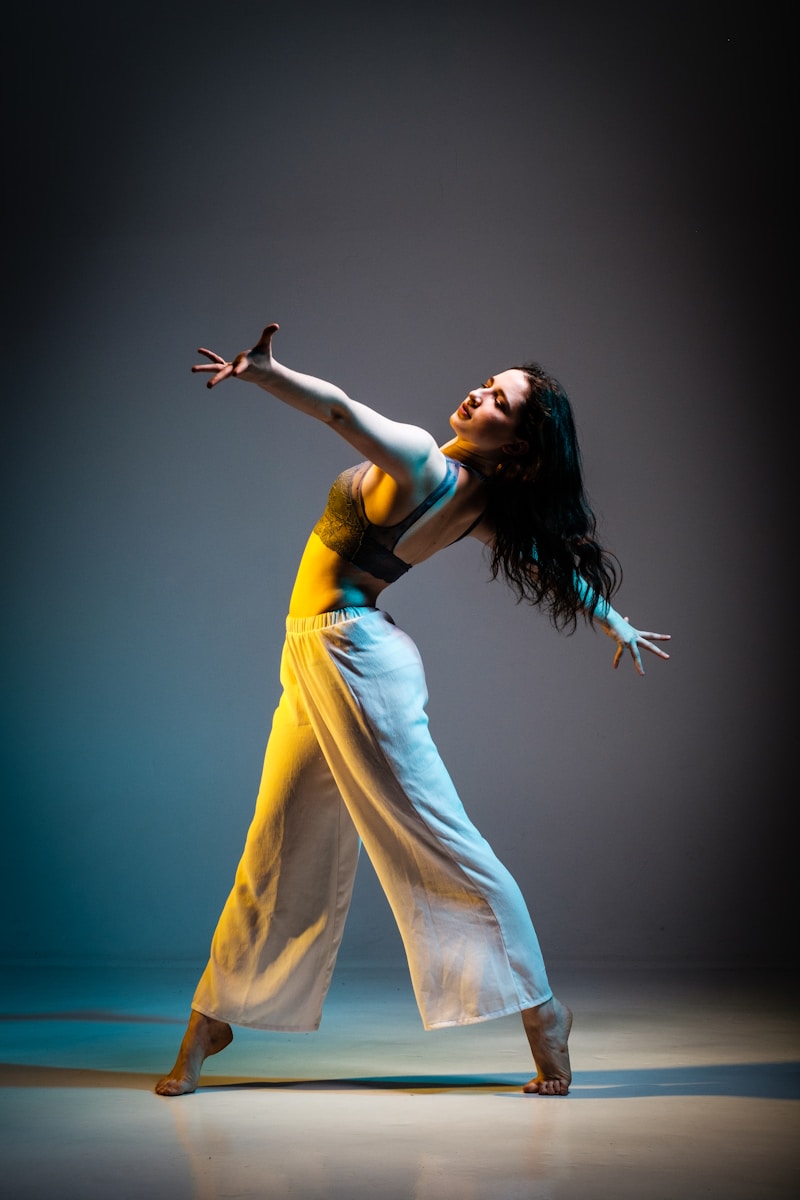
Technique & Characteristics
Hip-hop dance is not a single style but a family of styles, each with its own history, vocabulary, and culture:
- Breaking (b-boying/b-girling) -- the original hip-hop dance, performed to DJ breaks. Includes toprock (standing moves), downrock (floor work), power moves (spins and acrobatics), and freezes (held poses). Now an Olympic sport.
- Popping -- originating in Fresno, California, based on quickly contracting and releasing muscles to create a "pop" or "hit." Substyles include animation, waving, tutting, and strobing.
- Locking -- created by Don Campbell in Los Angeles, characterized by sudden pauses ("locks") amid fluid, funky movement. Theatrical, comedic, and full of personality.
- House dance -- born in Chicago and New York house music clubs, emphasizing fast, intricate footwork, fluid upper body, and deep connection to the DJ.
- Krumping -- explosive, high-energy street dance from Los Angeles, channeling raw emotion into aggressive but controlled movement.
Beyond these foundational styles, hip-hop dance includes a vast ecosystem of freestyle and choreography. The choreography side -- popularized by studios like Millennium Dance Complex and spread globally through YouTube and Instagram -- blends hip-hop vocabulary with jazz, contemporary, and pop influences. While purists debate whether studio choreography qualifies as "hip-hop," there is no denying its massive cultural impact.
What connects all hip-hop dance is the cipher -- the circle of dancers where individuals take turns showcasing their skills. The cipher is democratic, competitive, and communal. It rewards originality, musicality, and presence.
Cultural Significance
Hip-hop dance cannot be separated from hip-hop culture, which also encompasses MCing (rap), DJing, graffiti art, and knowledge of self. It emerged from communities facing systemic neglect and became a vehicle for identity, pride, and resistance. Dance battles offered an alternative to street violence -- a way to compete, earn respect, and build community through art rather than destruction.
From the streets of New York, hip-hop dance spread to every continent. Japan developed one of the world's deepest popping and locking scenes. France became a breaking powerhouse. South Korea built an entire entertainment industry around hip-hop-influenced choreography. In Africa, hip-hop fused with local dance traditions to create vibrant new styles like Afrobeats dance and Pantsula.
The form has profoundly influenced mainstream entertainment. From Michael Jackson's moonwalk to Missy Elliott's videos to the choreography of every major pop tour, hip-hop dance has shaped how the world moves.
Why People Love It
Hip-hop dance is freedom with a beat. It asks nothing of you except that you listen to the music and move honestly. There is no dress code, no mandatory body type, no prerequisite training. The culture celebrates individuality -- your style, your flavor, your story.
For practitioners, hip-hop offers both community and self-discovery. The training builds strength, coordination, and musicality, but more importantly, it builds confidence. There is something transformative about finding your groove in a cipher, earning a nod from fellow dancers, or landing a move you have been drilling for months.