With dozens of dance styles out there — from hip-hop to waltz, salsa to contemporary — choosing one can feel overwhelming. You might scroll through Instagram videos thinking, "That looks amazing, but could I actually do that?" The answer is almost certainly yes, but the real question is: which style will keep you coming back week after week? The best dance style for you isn't the "coolest" one or the hardest one. It's the one that makes you lose track of time while you're doing it.
Let's cut through the noise and help you find your dance.
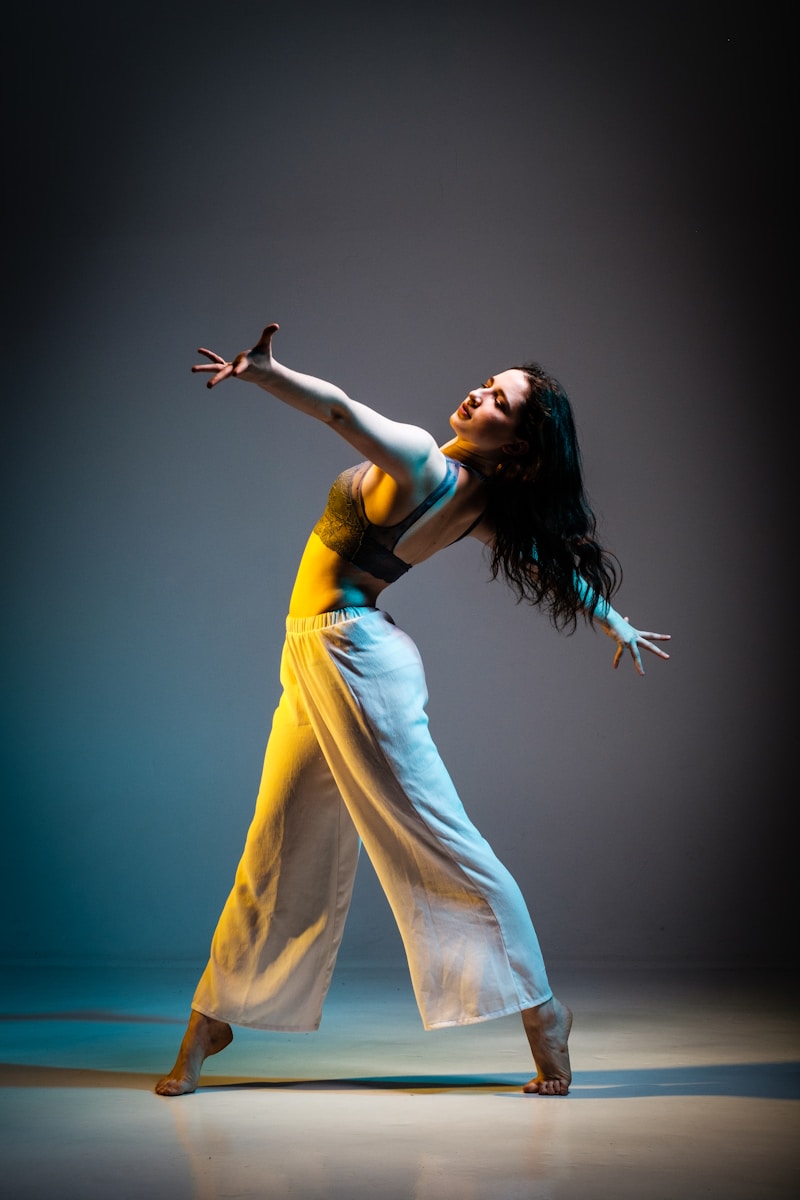
Start With What Moves You — Literally
Before you analyze class schedules and pricing, ask yourself these questions:
- What music makes you want to move? This is the single best predictor of dance style fit. If Latin music lights you up, look at salsa, bachata, or cha-cha. If you gravitate toward R&B and hip-hop tracks, explore hip-hop, popping, or house dance. Love sweeping orchestral music? Ballroom or contemporary might be your thing. Love electronic music? Try shuffle or waacking.
- Do you want to dance solo or with a partner? Partner dances (salsa, swing, tango, ballroom) offer deep social connection and a built-in community. Solo styles (hip-hop, contemporary, jazz, breaking) give you full creative freedom. Some people discover they love both — but knowing your starting preference helps narrow the field.
- What's your physical comfort zone — and do you want to stay in it or push it? Ballet and contemporary demand flexibility and control. Hip-hop and breaking require strength and stamina. Swing and salsa are moderate on physicality but high on coordination. There's no wrong answer. Some people want gentle movement; others want to sweat through their shirt.
- Are you drawn to structure or freestyle? Ballroom and ballet are highly structured with defined techniques. Hip-hop, house, and many Afro-diasporic styles celebrate improvisation and personal expression. Most styles have both elements, but the balance varies.
A Quick Style Guide for Beginners
Here's an honest overview of popular beginner-friendly styles:
| Style | Vibe | Social Scene | Physical Demand |
|---|---|---|---|
| Salsa/Bachata | Fun, flirty, energetic | Huge social dance scene | Moderate |
| West Coast Swing | Smooth, musical, versatile | Active social community | Low-moderate |
| Hip-Hop | Expressive, powerful, creative | Class-based mostly | Moderate-high |
| Contemporary | Emotional, fluid, artistic | Performance-focused | Moderate-high |
| Lindy Hop | Joyful, playful, vintage | Enthusiastic community | Moderate |
| Ballet | Graceful, disciplined, foundational | Class-based | High (over time) |
| Ballroom | Elegant, precise, partnered | Social + competitive | Low-moderate |
| House Dance | Groovy, free, rhythmic | Club/jam scene | Moderate |
Pro tip: Many studios offer a "taster" or introductory package where you can try 3-4 different styles at a discount. Take advantage of this. You might be surprised — plenty of people walk in wanting hip-hop and fall in love with swing.
The Three-Class Rule
Don't judge a style by your first class. Your first class in anything is mostly confusion and nerves. Give every style you're curious about at least three classes before you decide it's not for you. By class three, the initial awkwardness fades and you start to feel the actual character of the dance.
Also, pay attention to:
- The instructor's teaching style. A bad match with a teacher can sour a style that you'd otherwise love. If the class felt off, try a different instructor before you write off the dance entirely.
- The community. After class, are people friendly? Do they hang around and chat? Do they go out social dancing together? The community around a dance style is often what keeps people dancing for years.
- How you feel afterward. Not during — afterward. If you leave class feeling energized, happy, and already thinking about the next one, that's your sign.
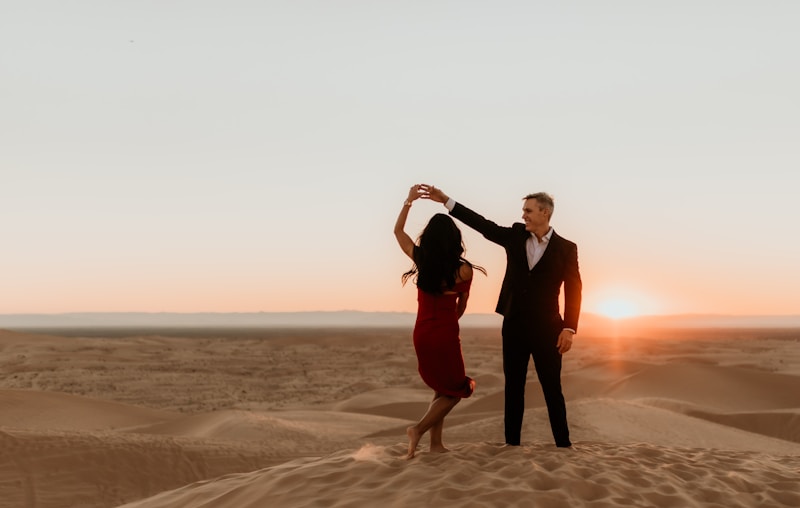
There's no wrong choice here. Every dance style will teach you rhythm, body awareness, and a new way of expressing yourself. The most important thing is to start. You can always explore more styles later — and most long-time dancers end up dabbling in several. Your dance journey is just beginning, and the only rule is to enjoy the ride.