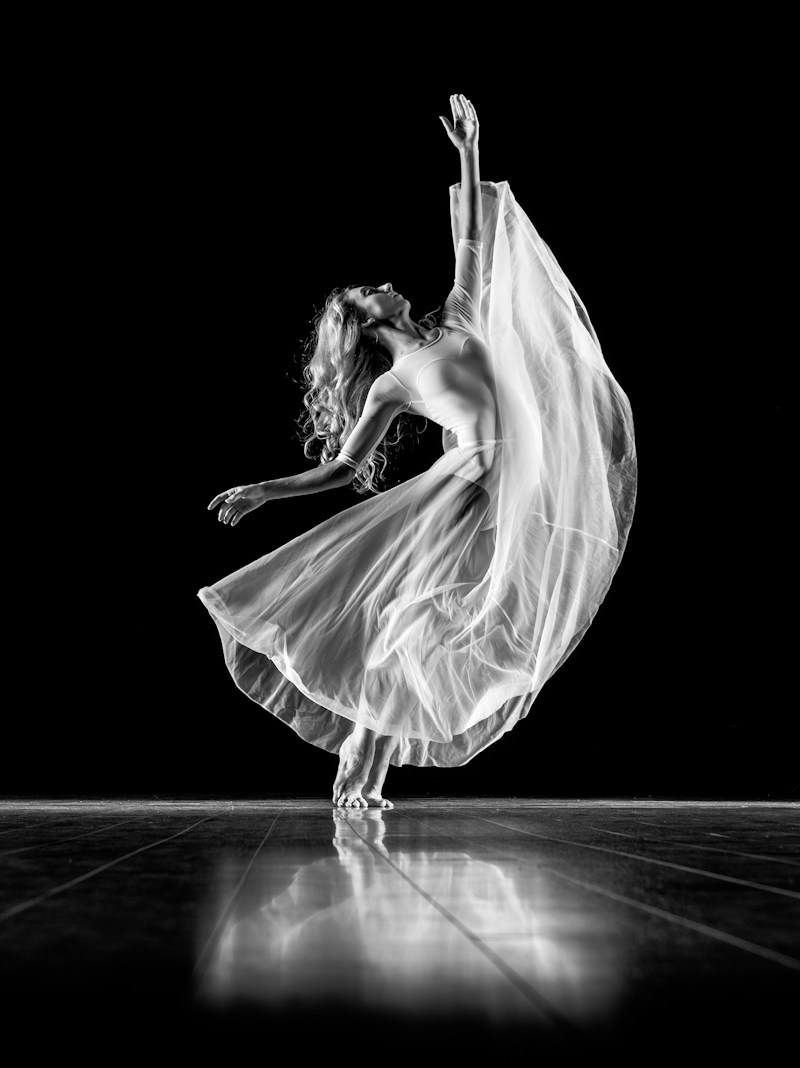
Snap your fingers. Roll your shoulders. Hit that accent with your whole body like the music just told you a secret. Jazz dance is the art of rhythm made visible -- a distinctly American dance form born from the same cultural crucible that produced jazz music, shaped by Black American creativity, and refined through a century of evolution from vaudeville stages to Broadway to music videos. It is glamorous, athletic, musical, and endlessly cool.
Technique & Characteristics
Jazz dance is characterized by its emphasis on rhythm, isolations, and individual expression. Unlike ballet's vertical, pulled-up aesthetic, jazz dance is grounded, syncopated, and centered in the torso. Key technical elements include:
- Isolations -- the ability to move individual body parts (head, shoulders, ribcage, hips) independently. This is a direct inheritance from African dance traditions and is fundamental to jazz style.
- Syncopation -- dancing on the offbeats, accenting unexpected moments, playing against the rhythmic grain. Jazz dancers do not merely mark the beat; they play with it.
- Parallel and turned-out positions -- jazz uses both, unlike ballet's exclusively turned-out aesthetic.
- Contractions and releases -- borrowed from Martha Graham's modern dance technique, used extensively in theatrical jazz.
- Sharp, percussive movement -- quick, precise accents alternating with sustained, flowing phrases.
- Attitude and style -- jazz dance demands performance quality. The face, the eyes, the energy projected outward are all part of the dance.
Jazz dance has evolved through several major eras and substyles:
Vernacular Jazz (1920s-1940s) -- the original social dances of the jazz age, including the Charleston, Black Bottom, Lindy Hop, and jitterbug. These were improvised, rhythmically sophisticated, and deeply rooted in Black American communities.
Theatrical Jazz / Broadway Jazz (1940s-1970s) -- Jack Cole is widely considered the father of theatrical jazz dance. He synthesized East Indian dance, Lindy Hop, and ballet into a style that became the language of Broadway and Hollywood musicals. Bob Fosse then created his own iconic vocabulary -- turned-in knees, rolled shoulders, hat-and-cane work, finger snaps, and a simmering, suggestive style that remains instantly recognizable.
Contemporary / Lyrical Jazz (1980s-present) -- a softer, more fluid style influenced by contemporary dance, emphasizing emotional expression and long lines. Popularized through competition dance and shows like So You Think You Can Dance.
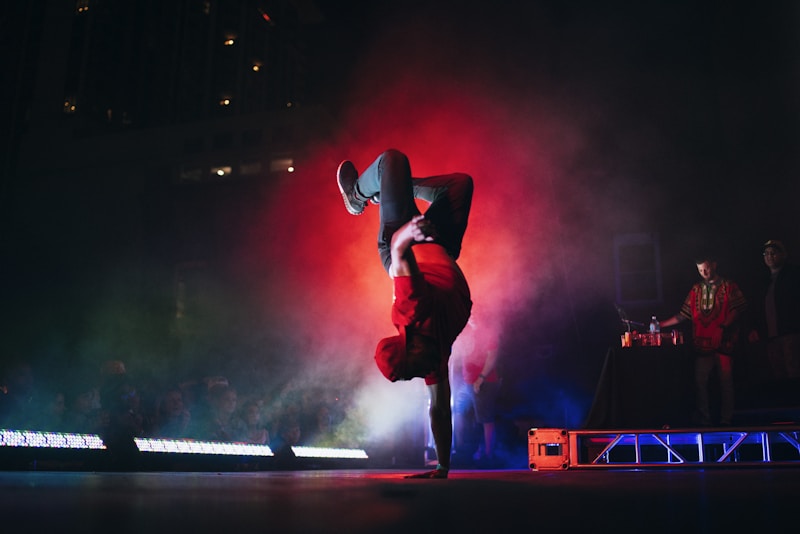
Commercial Jazz / Street Jazz -- the style seen in music videos, concert tours, and pop performances. Blends jazz technique with hip-hop, house, and pop music sensibilities. Choreographers like Fatima Robinson, Jamaica Craft, and Sean Bankhead work in this space.
Cultural Significance
Jazz dance shares its origins with jazz music -- both emerged from the African American experience, blending African rhythmic and movement traditions with European forms in the cultural melting pot of early 20th-century America. The vernacular jazz dances of Harlem, New Orleans, and Kansas City were some of the most sophisticated social dances ever created.
As jazz dance moved onto the concert and theatrical stage, it was transformed -- and sometimes sanitized -- by choreographers who drew from Black dance traditions while not always crediting their sources. The history of jazz dance includes important conversations about cultural appropriation, credit, and the ongoing need to honor the Black artists who created the form.
On Broadway, jazz dance became America's theatrical dance language. From West Side Story (Jerome Robbins) to Chicago (Bob Fosse) to A Chorus Line (Michael Bennett) to Hamilton (Andy Blankenbuehler), jazz-informed choreography has been central to the American musical theater tradition.
Why People Love It
Jazz dance is irresistibly fun. The music is great, the movement is expressive, and the style makes you feel like a star. Whether you are learning a Fosse combination with a bowler hat or throwing yourself into a high-energy commercial routine, jazz dance combines technical challenge with pure performance joy.
The form also offers remarkable range. A single jazz class might include a warm-up rooted in ballet and modern technique, across-the-floor progressions that build coordination and musicality, and a choreographic combination that tells a story or captures a mood. You can spend decades in jazz dance and never exhaust its possibilities.