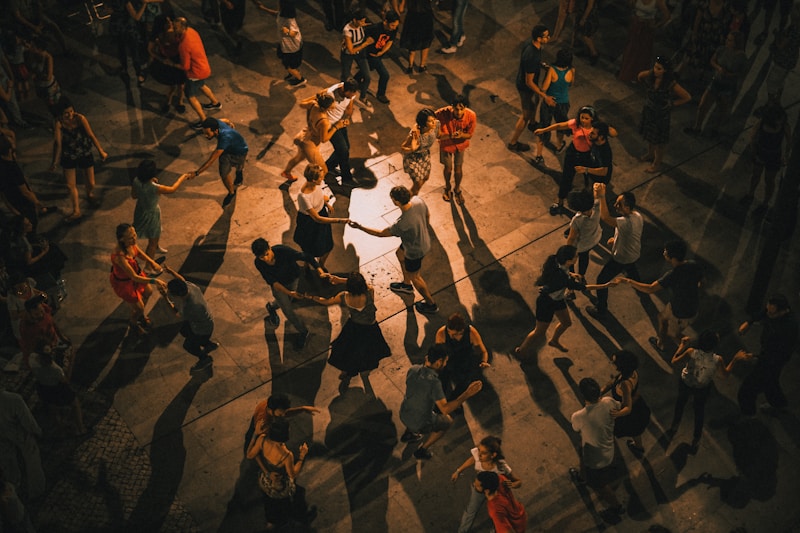
There is something irreplaceable about walking into a room full of strangers and, within minutes, finding yourself moving together to the same rhythm. Social dancing is one of the oldest and most universal human activities -- a place where language barriers dissolve, where age and background fade into the background, and where the simple act of sharing a song with another person becomes an unexpected gift. Whether it's a salsa night at a local community center, a swing dance in the park, or a milonga tucked away in a basement studio, social dancing reminds us what it feels like to be fully present with another human being.
What Makes Social Dancing Special
Unlike performance or competitive dance, social dancing is not about perfection or spectacle. It is about connection. The lead offers an invitation; the follow interprets and responds. Together, they create something that neither could produce alone. This improvised conversation -- carried out through weight shifts, hand signals, and shared momentum -- is what draws people back week after week.
Social dance forms span the globe: Argentine tango in Buenos Aires, forró in Brazil, lindy hop in Harlem, zouk in the Caribbean, and countless folk traditions from the Balkans to West Africa. What they share is a fundamental emphasis on partnership, musicality, and community. You do not need a partner to show up. You do not need years of training. You just need to be willing to try.
The health benefits are well documented. Regular social dancing improves cardiovascular fitness, balance, and coordination. A landmark study published in the New England Journal of Medicine found that frequent dancing reduced the risk of dementia by 76% -- more than any other physical or cognitive activity studied. But ask any social dancer why they keep coming back, and the answer is rarely about fitness. It is about how it makes them feel: alive, connected, and part of something bigger.
The Global Social Dance Scene
Social dance communities thrive in cities and towns around the world, often flying under the radar of mainstream culture. Organizations like Frankie Manning Foundation keep the legacy of lindy hop alive through workshops and events. Tango Marathon culture has created a global circuit where dancers travel to multi-day events in cities from Istanbul to Montreal. The West Coast Swing community has built one of the most organized social dance networks, with events nearly every weekend somewhere in the world.
Local scenes are often anchored by a dedicated teacher or venue. A single weekly salsa social can grow into a thriving community of hundreds. Many cities have "dance exchanges" -- weekend-long events where visiting dancers are hosted by locals, blending travel with genuine human connection.
How to Get Started
Getting into social dancing is simpler than most people think. Here is a path that works for almost anyone:
- Pick a style that excites you. Watch a few videos of salsa, swing, bachata, tango, or blues dancing. Notice which one makes you tap your foot.
- Find a beginner class. Most social dance nights start with a short lesson. This is the easiest on-ramp. Check Facebook groups, Meetup, or your local community center.
- Show up alone. Seriously. Most social dancers arrive solo. Partners rotate during classes, and asking someone to dance at a social is not just accepted -- it is expected and welcomed.
- Be patient with yourself. The first few times will feel awkward. That is completely normal. Within a month of weekly dancing, most people feel comfortable enough to genuinely enjoy themselves.
- Say yes. When someone asks you to dance, say yes. When you see someone sitting alone, ask them. The culture of social dancing is built on generosity.
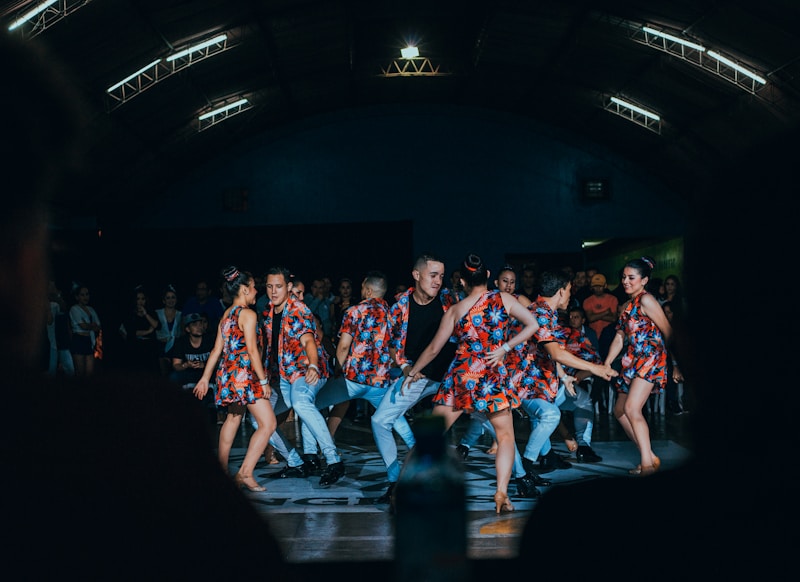
Social dancing is not a hobby you watch from the sidelines. It is something you feel in your bones. And once you start, you will wonder how you ever lived without it.