For decades, the treadmill has reigned as the default cardio machine. But what if the most effective cardiovascular workout isn't found on a belt rolling under your feet — but on a dance floor? Research increasingly shows that dance delivers heart-pumping, calorie-burning benefits that rival or exceed traditional gym cardio, with the added bonus of being something people actually want to do.
What the Science Says
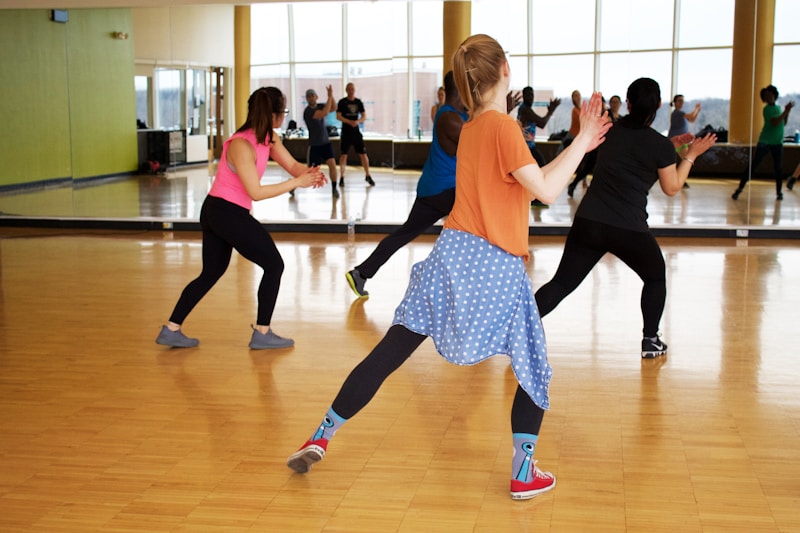
A landmark study published in the American Journal of Preventive Medicine (2016) found that moderate-intensity dancing was associated with a 46% reduced risk of cardiovascular death — a stronger association than walking. Meanwhile, a study in the Journal of Physiological Anthropology demonstrated that dance-based aerobic exercise improved cardiorespiratory fitness just as effectively as cycling or jogging.
The reason is straightforward: dance naturally incorporates interval training. A salsa class alternates between explosive turns and slower partner work. A hip-hop routine shifts from high-energy isolations to controlled freezes. This constant fluctuation in intensity mirrors high-intensity interval training (HIIT), which research from the British Journal of Sports Medicine has shown to be superior to steady-state cardio for improving VO2 max.
Heart rate studies on dancers tell the story clearly. During a vigorous Zumba session, average heart rates reach 79% of maximum — squarely in the cardio training zone. During competitive ballroom, dancers sustain heart rates comparable to those of middle-distance runners.
Why Dance Beats the Treadmill for Many People
The single greatest predictor of exercise effectiveness is adherence — you have to actually do it. And this is where dance has an overwhelming advantage. A study in the Scandinavian Journal of Medicine & Science in Sports found that participants in dance programs had significantly higher long-term adherence rates compared to traditional gym programs.
The reasons are both neurological and social. Dance triggers dopamine release through music, creative expression, and social connection. Unlike running on a treadmill while staring at a screen, dance demands your full attention — you're learning patterns, responding to rhythm, coordinating with partners. Time flies. The workout ends and you realize you've been exercising for an hour without once checking the clock.
Dance also offers variety that prevents plateaus. A gym routine can grow stale within weeks, but the universe of dance styles is practically infinite. Bored with ballet? Try West African. Plateau in contemporary? Pick up lindy hop.
Getting Started with Dance Cardio
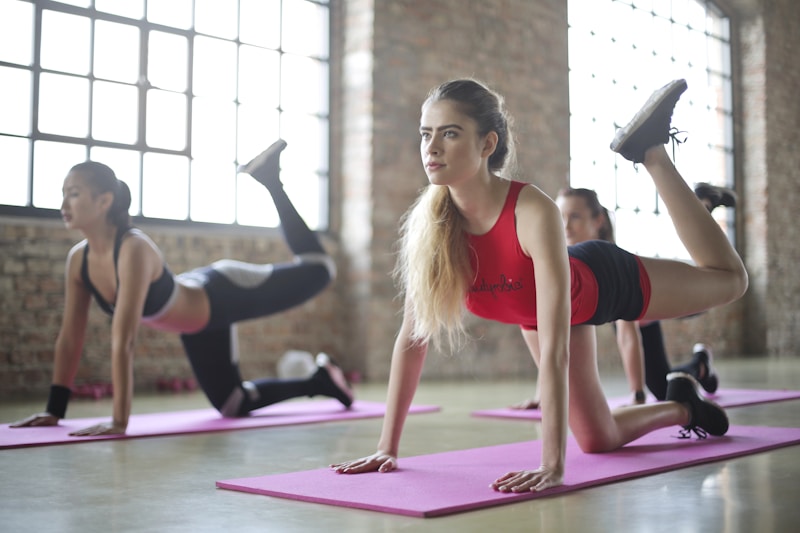
You don't need prior experience to start using dance as your primary cardio workout. Here's how to begin:
- Zumba or dance fitness classes are designed specifically as workouts and require zero dance background. Most gyms and community centers offer them.
- Beginner social dance classes (salsa, swing, bachata) combine moderate cardio with skill-building and social connection.
- Online dance workouts from platforms like STEEZY, The Fitness Marshall, or 305 Fitness let you sweat at home with no judgment.
Aim for the same guidelines as any cardio program: 150 minutes per week of moderate-intensity activity, or 75 minutes of vigorous activity. Two to three dance sessions per week will get you there. The bottom line? The best cardio workout is the one you'll actually keep doing. For millions of people, that's not a treadmill — it's a dance floor. Lace up your shoes, find a class, and let the music move you toward better heart health.