Walk into any dance studio and you'll notice something striking: dancers are strong. Not bulky, not gym-inflated, but functionally powerful — capable of explosive jumps, controlled descents, single-leg balances, and sustained holds that would challenge any athlete. They build this strength without barbells, without machines, and without protein shake sponsorships. Dance is one of the most effective bodyweight strength-training systems ever devised.
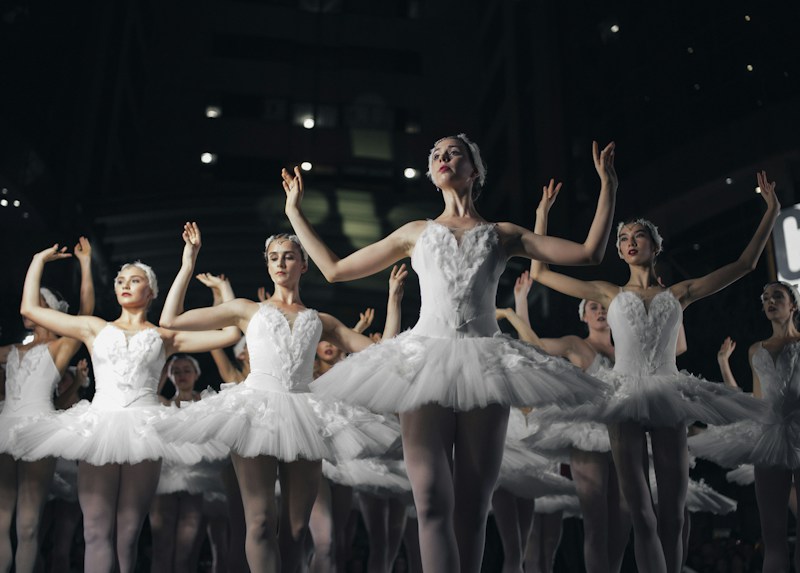
How Dance Builds Real-World Strength
Dance develops strength through a principle that exercise scientists call eccentric loading under complex motor patterns — essentially, your muscles work hard while your brain works harder. Consider a simple ballet plié: it requires eccentric (lowering) control of the quadriceps, concentric (rising) engagement of the glutes, isometric stabilization of the core, and precise ankle control. That's four types of muscle engagement in a single, seemingly simple movement.
A 2015 study in the Journal of Strength and Conditioning Research measured lower-body power output in ballet dancers and found it comparable to that of competitive athletes in jumping sports. Another study in Sports Medicine (2018) concluded that dance training produced significant improvements in muscular strength, particularly in the lower limbs and core, even in recreational dancers.
The types of strength dance develops include:
- Eccentric strength — controlling deceleration (landing from jumps, lowering into deep lunges). This is the type of strength most protective against injury.
- Isometric strength — holding positions (balances, arabesques, planks during floor work). Critical for joint stability.
- Explosive power — generating force quickly (jumps, turns, quick directional changes). Essential for athletic performance.
- Endurance strength — sustaining muscular effort over extended periods. A two-minute contemporary dance phrase can challenge muscular endurance as effectively as a circuit training set.
Different styles emphasize different strength qualities. Ballet builds extraordinary single-leg strength and ankle stability. Hip-hop develops explosive power and upper-body control. African dance builds remarkable lower-body endurance. Breaking (breakdancing) demands upper-body and core strength that rivals gymnastics.
The Core Advantage
Perhaps no area of the body benefits more from dance than the core. Every movement in dance originates from or is stabilized by the trunk muscles. Research published in the Journal of Dance Medicine & Science found that dancers demonstrate superior core stability compared to non-dancers, with particular strength in the deep stabilizing muscles (transverse abdominis, multifidus) rather than just the superficial "six-pack" muscles.
This deep core strength has practical implications far beyond the studio. It protects the lower back, improves posture, enhances balance, and provides a foundation for all physical activity. Physical therapists often recommend dance-based movement to patients recovering from back injuries precisely because it builds functional core strength in ways that isolated exercises like crunches cannot.
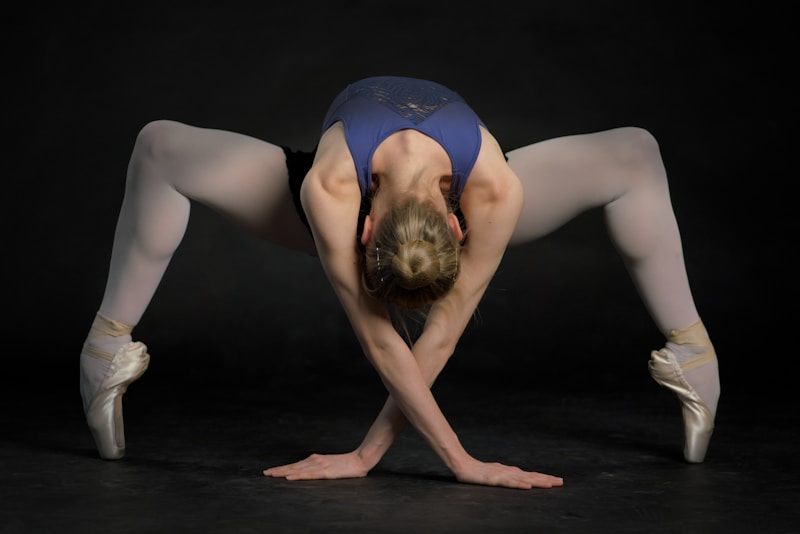
Building Strength Through Dance: Where to Start
You don't need to be strong to start — dance will build your strength progressively. Here are the best entry points:
- Ballet or barre classes offer the most systematic strength progression. The technique is centuries old and designed to build strength from the feet up.
- Contemporary/modern dance develops upper body and core strength through floor work, weight-sharing, and complex transitions.
- Hip-hop and street styles build explosive power and stamina. Even beginner classes will have your muscles burning.
- Complement with basics. If you want to accelerate, add bodyweight exercises that mirror dance demands: single-leg squats, planks, calf raises, and push-ups.
The strength you gain from dance is integrated, functional, and beautiful to watch. It's the kind of strength that helps you carry groceries, play with your kids, and move through life with power and grace — no gym membership required.