When Jennifer Beals ripped the collar off a sweatshirt in Flashdance (1983), she accidentally invented one of the decade's biggest fashion trends. The off-the-shoulder sweatshirt over a leotard became ubiquitous in aerobics classes, shopping malls, and music videos across America. It was a perfect example of what dance fashion does best: something created for function — ease of movement, ventilation, a quick costume change — leaps off the stage and rewrites how ordinary people dress.
Classical Foundations: The Tutu and the Leotard
The tutu is the most iconic garment in dance history. The Romantic tutu — a bell-shaped, calf-length skirt made of layers of tulle — emerged in the 1830s when Marie Taglioni danced La Sylphide in a floating white costume that suggested weightlessness and otherworldliness. By the late 19th century, the classical (or "pancake") tutu had shortened dramatically to show off the technical legwork of ballets like Swan Lake and The Nutcracker. Today's tutus are engineering marvels: 10-12 layers of netting, hand-tacked to a basque, supporting up to six pounds of fabric while allowing full range of motion.
The leotard takes its name from Jules Leotard, the French trapeze artist who designed a one-piece knitted garment in the 1860s. It migrated to dance studios in the early 20th century and became standard uniform by the time George Balanchine was demanding his dancers wear plain black leotards so he could see the line of every movement. The leotard's influence on mainstream fashion is enormous — it's the ancestor of the bodysuit, a staple from Donna Karan's 1985 debut collection to Beyonce's stage wardrobe.
Pointe shoes deserve their own mention. These satin-covered boxes of paste, burlap, and paper have barely changed in 200 years. Every professional ballerina customizes hers — sewing ribbons, shellacking the box, scoring the sole — and most go through 2-3 pairs per week. At roughly $80-120 per pair, they're one of the most expensive and least durable pieces of equipment in any sport or art form. Companies like Freed of London and Bloch still make them largely by hand.
Street Dance, Hip-Hop, and the Sneaker Revolution
If ballet gave fashion the leotard, hip-hop gave it everything else. Breaking culture in the late 1970s and early 1980s brought a complete aesthetic: Puma Suedes, Adidas Superstars (with the laces removed, as Run-DMC famously wore them), track suits, kangol hats, and oversized gold chains. These weren't costumes — they were street clothes that happened to be perfect for the physical demands of breaking, popping, and locking.
The sneaker became the centerpiece. B-boys needed shoes with flat soles for spinning, ankle support for power moves, and enough style to make a statement on the cardboard. The relationship between dance and sneaker culture is inseparable: Nike Air Force 1s, Adidas Shelltoes, Puma Clydes, and later Nike Dunks all owe their cultural status partly to dance floors and cyphers.
In the 2000s, So You Think You Can Dance and hip-hop crews popularized a new dance uniform: harem pants (or "hammer pants" in their MC Hammer iteration), crop tops, high-top sneakers, and fingerless gloves. Brands like Urban Dance Camp merch, Rvng, and Dancewear Solutions emerged to serve a growing market of recreational dancers who wanted to look the part.
Dance Fashion Hits the Runway (and Vice Versa)
The crossover between dance and high fashion accelerated in the 2010s. Virgil Abloh at Louis Vuitton and Riccardo Tisci at Givenchy both cited street dance culture as primary influences. Ballet aesthetics pervade fashion: wrap tops, ribboned flats, barre-inspired workout lines. Lululemon and Alo Yoga built empires on dancewear-adjacent athleisure. The "balletcore" trend of 2022-2023 — leg warmers, wrap skirts, ballet flats worn as everyday shoes — proved that dance fashion's gravitational pull on mainstream style shows no sign of weakening.
Going the other direction, fashion houses have increasingly collaborated with dance. Valentino designed costumes for New York City Ballet. Iris van Herpen's sculptural dresses have been worn in contemporary dance performances by Nederlands Dans Theater. Alexander McQueen's runway shows frequently featured choreographed movement sequences designed by dance artists.
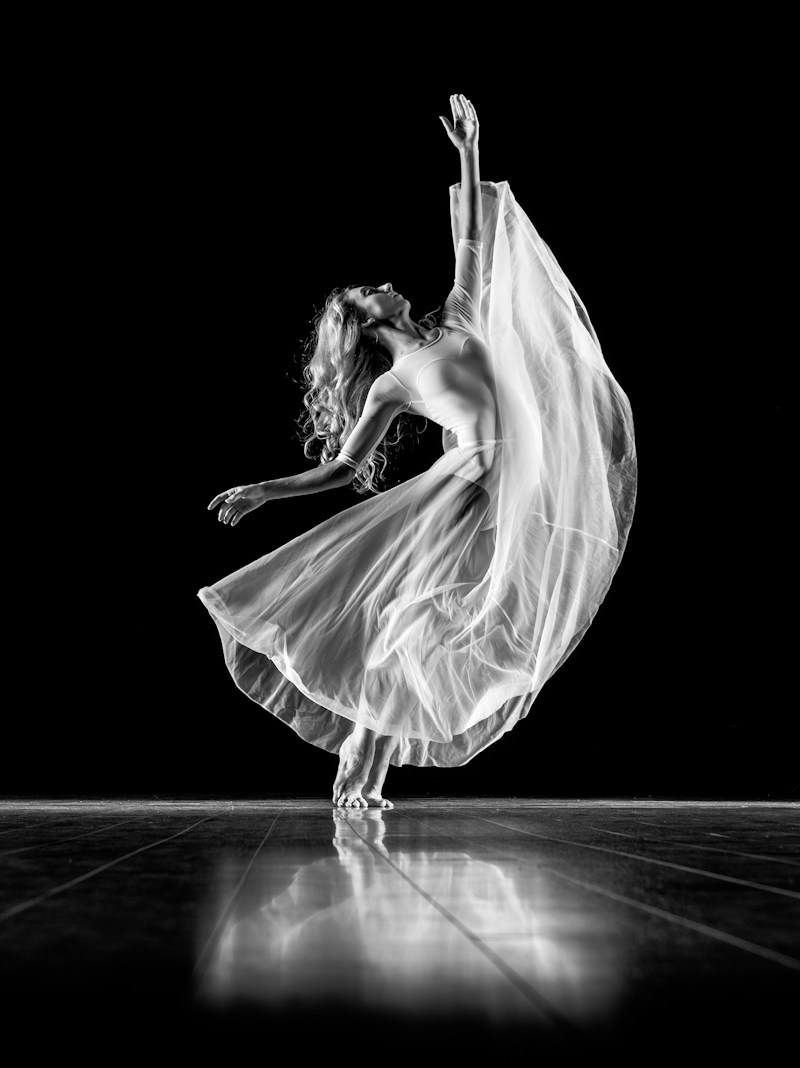
From the Romantic tutu to the TikTok dancer's ring light and athleisure outfit, dance fashion has always been about the same thing: clothing that lets the body move freely while making it look extraordinary. The best dance fashion doesn't just serve the movement — it becomes part of the story the body is telling.