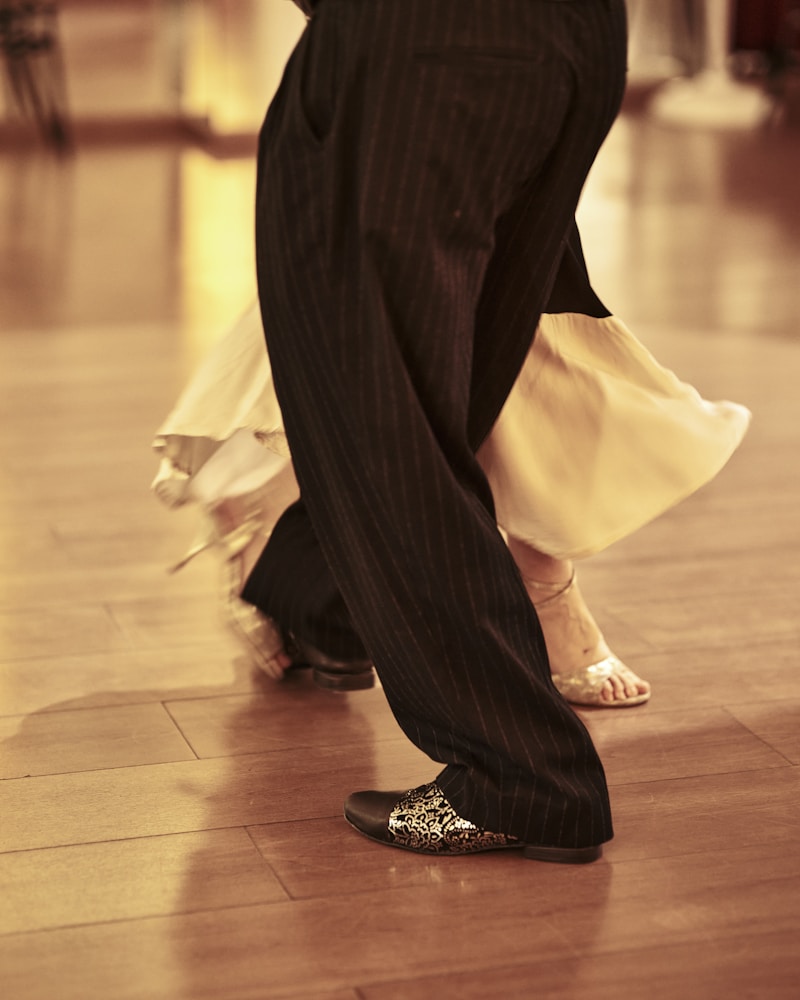
Under blinding competition lights, a couple bursts onto the floor in a blaze of sequins, spray tan, and searing energy. The cha-cha rhythm kicks in, and they attack the music with hip action so precise it could set a metronome, footwork so fast it blurs, and a connection so electric you can feel it from the back row. Latin ballroom dance takes the fire of Latin American and Caribbean social dances and channels it through the discipline of competitive dancesport -- the result is one of the most visually spectacular and athletically demanding art forms in the world.
Technique & Characteristics
The International Latin division of competitive ballroom dancing comprises five dances, each with its own character, music, and technical demands:
Cha-Cha-Cha -- flirtatious, playful, and rhythmically sharp. Danced to Latin pop or cha-cha music at around 120-128 BPM. The signature "cha-cha-cha" syncopation drives rapid weight changes, and the dance is characterized by its staccato hip action, compact footwork, and teasing interplay between partners. It is often the first Latin dance students learn.
Samba -- the Brazilian carnival spirit channeled into a partner dance. The samba bounce (a subtle, rhythmic knee action) is the engine of the dance, propelling couples through traveling steps, voltas, boto fogos, and rolling actions. Danced at around 96-104 BPM in 2/4 time, samba demands extraordinary rhythmic coordination and cardio fitness.
Rumba -- the dance of love. Slow, sensuous, and deeply expressive, rumba is danced at 100-108 BPM and emphasizes the connection between partners through sustained, weighted movement. Cuban hip action (driven by straightening the supporting leg) is most visible here, and the dance tells a story of desire, pursuit, and surrender. Rumba is considered the soul of Latin ballroom.
Paso Doble -- the drama of the Spanish bullfight translated into dance. The leader portrays the matador; the follower may represent the cape, the bull, or the flamenco dancer. Paso doble uses dramatic shaping, strong lines, and a marching rhythm, building to climaxes called highlights that align with the traditional music (Espana Cani). It is theatrical, powerful, and unlike anything else in ballroom.
Jive -- pure energy. Derived from American swing and rock and roll, jive is the fastest of the Latin dances, performed at 152-176 BPM with kicks, flicks, and athletic bounce. It is always the last dance of a competition round, testing stamina when dancers are already exhausted.
Across all five dances, Latin ballroom demands:
- Cuban motion / hip action -- generated by the action of the legs and feet, not by isolated hip movement. The straight leg pushes the hip to the side, creating the rolling motion that defines the Latin aesthetic.
- Foot articulation -- pressing through the ball of the foot into the floor, creating a grounded, sensual connection to the surface.
- Partnership and frame -- maintaining connection with the partner through tone in the arms and body while allowing freedom for individual movement.
- Performance quality -- competing dancers must project energy, character, and musical interpretation to judges and audiences.
Cultural Significance
The five Latin ballroom dances have complex and sometimes contested histories. Each originated as a social or folk dance in Latin America or the Caribbean -- the cha-cha-cha and rumba from Cuba, the samba from Brazil, the paso doble from Spain/France, and the jive from African American swing culture. As they were adopted into the competitive ballroom system (primarily in England in the mid-20th century), they were codified, standardized, and to some extent transformed.
This process of codification has been both a blessing and a source of tension. On one hand, it created a universal technical language that allows dancers from Tokyo and Moscow and Johannesburg to compete on the same floor with shared standards. On the other hand, critics argue that the competitive versions have become disconnected from their social and cultural roots, prioritizing spectacle over authenticity.
Today, Latin ballroom is a global enterprise. The World DanceSport Federation (WDSF) and the World Dance Council (WDC) govern major competitions, and the dance is practiced in over 100 countries. Professional Latin ballroom dancers are extraordinary athletes, training 4-8 hours daily and competing at a physical intensity comparable to Olympic sports.
Why People Love It
Latin ballroom dance is intoxicating to watch and transformative to practice. The combination of rhythm, athleticism, partnership, and self-expression creates a complete physical and emotional experience. A five-dance competition round -- moving from the cheekiness of cha-cha through the passion of rumba to the pure cardio explosion of jive -- is a journey through the full range of human energy and emotion.
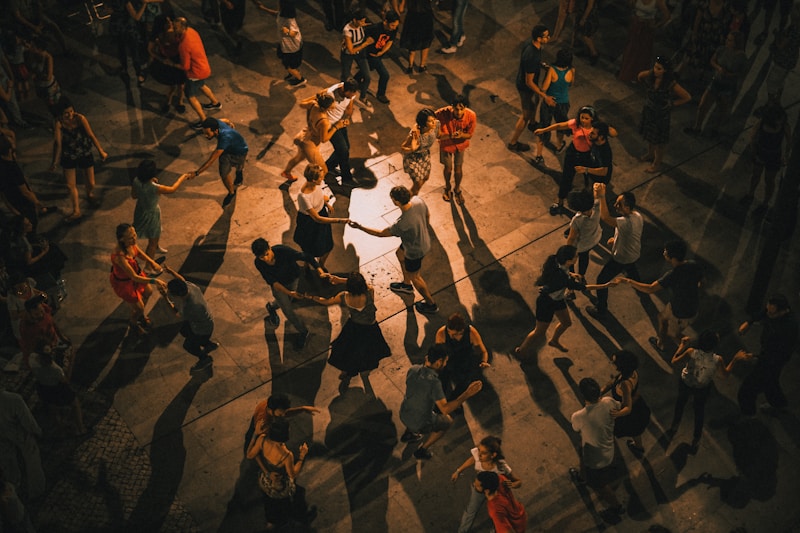
For social dancers, learning the Latin dances opens doors to dance floors worldwide. The basic figures of cha-cha, rumba, and samba are accessible to beginners, and the social versions of these dances remain vibrant and joyful. For competitive dancers, the pursuit of perfection in technique, musicality, and partnership provides a lifelong challenge.