When Jennifer Beals pulled that chain and water cascaded over her body in Flashdance (1983), an entire generation decided they wanted to dance. That single scene — set to Irene Cara's "What a Feeling" — didn't just sell leg warmers; it proved that dance on film could be a cultural earthquake. From the golden age of Hollywood musicals to gritty underground battle films, dance movies have consistently been some of cinema's most electrifying experiences.
The Golden Era and Its Revival
The lineage stretches back to Fred Astaire and Ginger Rogers gliding across Art Deco sets in the 1930s, through Gene Kelly's rain-soaked joy in Singin' in the Rain (1952), and into Bob Fosse's dark, autobiographical All That Jazz (1979). But the modern dance movie truly ignited with Saturday Night Fever (1977), when John Travolta's Tony Manero turned a Brooklyn disco into a temple. The Bee Gees soundtrack became the best-selling album of its era, and suddenly every kid in America wanted a white suit.
The 1980s doubled down: Dirty Dancing (1987) gave us Patrick Swayze lifting Jennifer Grey to "(I've Had) The Time of My Life," a finale so iconic it spawned a touring stage show and a (less beloved) TV remake. Footloose (1984) turned small-town rebellion into a dance anthem. These films shared a formula — an outsider uses dance to break free — and audiences couldn't get enough.
The Street Dance Revolution
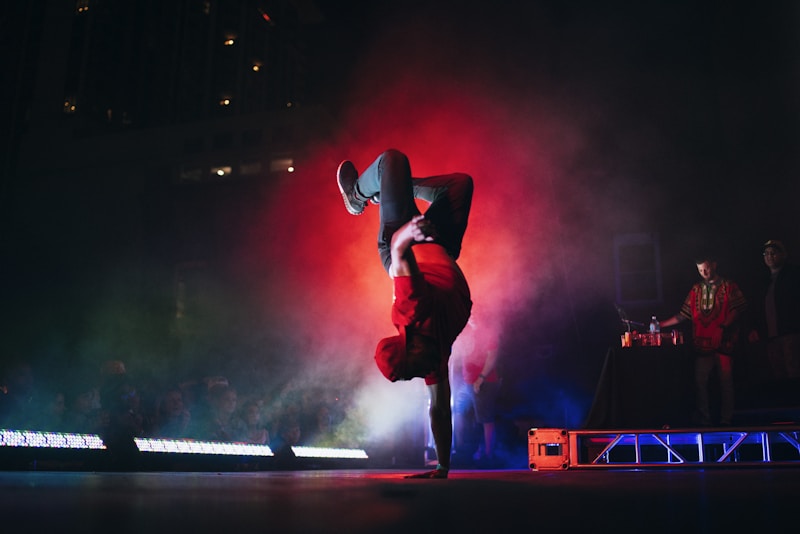
The 2000s brought a seismic shift. Save the Last Dance (2001) and the Step Up franchise (2006-2019) fused hip-hop, breaking, and contemporary styles with Hollywood romance. Channing Tatum literally danced his way from unknown to A-lister. Meanwhile, Stomp the Yard (2007) and You Got Served (2004) centered Black dance traditions — stepping, krumping, battle culture — giving mainstream visibility to art forms that had thrived in communities for decades.
Overseas, Bollywood had been producing dance spectacles for half a century. Films like Devdas (2002) and ABCD: Any Body Can Dance (2013) showcased choreography on a scale Hollywood rarely attempted, with hundreds of synchronized dancers in elaborately designed sets.
Cultural Impact and Notable Highlights
Dance movies do something no other genre can: they make the audience physically feel the story. You don't just watch Baby learn the lift — your own stomach drops. You don't just see the Step Up crew battle — your shoulders start moving.
Some standout moments in the canon:
- Best pure choreography: The barn scene in Footloose, restaged brilliantly in the 2011 remake
- Most emotional: Billy Elliot (2000) dancing out his grief and fury in a Northern English mining town
- Most stylish: Black Swan (2010), Darren Aronofsky turning ballet into psychological horror
- Best documentary: Paris Is Burning (1990), Jennie Livingston's landmark film about ballroom culture in New York City
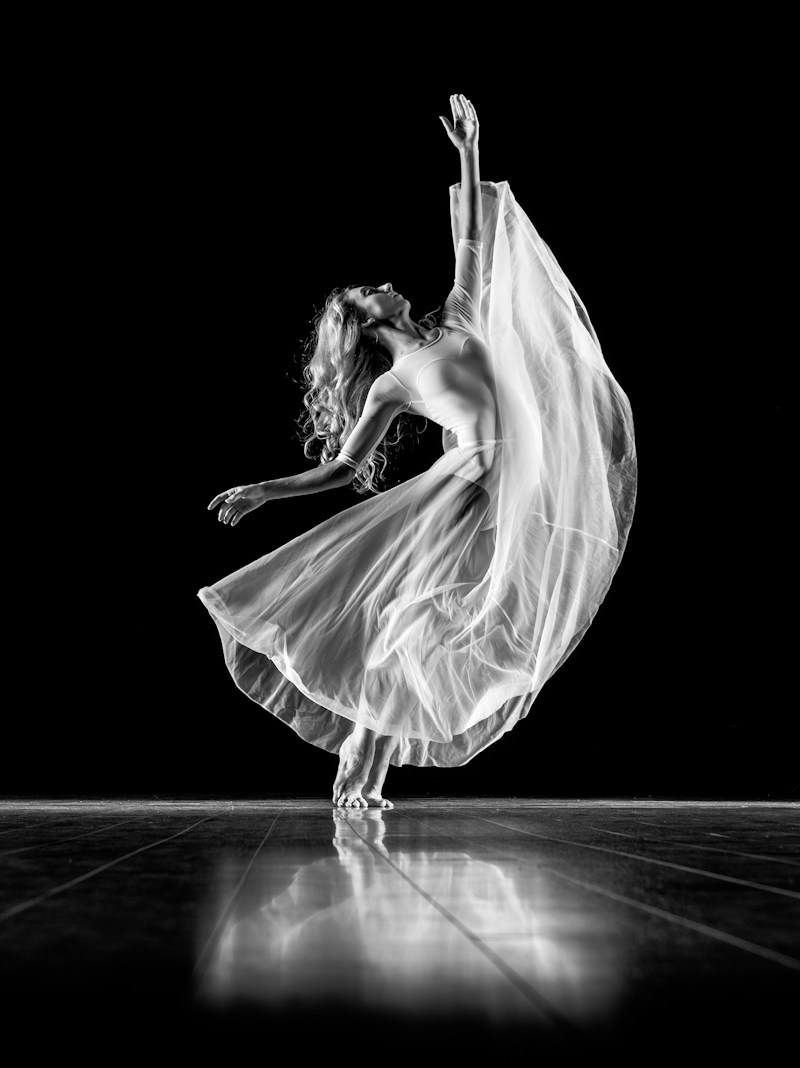
The dance movie isn't just alive — it's evolving. From TikTok-influenced choreography showing up in Netflix originals to A24's willingness to fund stranger, more artistic dance films, the genre keeps reinventing itself. As long as humans have bodies and stories to tell, someone will point a camera at a dancer and make magic.