Long before anyone prescribed medication for depression, human beings danced. Around fires, in temples, through grief, and into joy — movement was medicine. Today, a growing body of clinical research confirms what our ancestors seemed to know intuitively: dance is one of the most powerful, accessible, and underutilized tools for mental health. It does not merely distract us from suffering; it rewires the systems that produce it.
What the Research Shows
The evidence for dance as a mental health intervention is remarkably strong. A 2019 meta-analysis published in Frontiers in Psychology examined 23 controlled trials and found that dance significantly reduced symptoms of depression and anxiety, with effect sizes comparable to or exceeding those of conventional exercise. Unlike running on a treadmill, dance engages the brain on multiple levels simultaneously — motor planning, rhythm processing, spatial awareness, emotional expression, and social connection — creating what researchers call a "whole-brain workout."
Dr. Peter Lovatt's research at the University of Hertfordshire demonstrated that even a single dance session can measurably improve mood and reduce cortisol levels. His studies found that people who danced regularly reported higher life satisfaction, greater emotional resilience, and lower rates of loneliness than matched controls who exercised in other ways. The social and expressive dimensions of dance, Lovatt argued, are what set it apart from purely physical exercise.
Neuroscientist Dr. Julia F. Christensen at the Max Planck Institute has shown that dance increases the production of brain-derived neurotrophic factor (BDNF), a protein critical for neuroplasticity and mood regulation. Low BDNF levels are consistently found in people with depression, and dance appears to boost them more effectively than many other forms of movement.
For anxiety specifically, the rhythmic and predictable elements of dance — steady beats, repeated sequences, the grounding sensation of feet on floor — activate the parasympathetic nervous system, counteracting the fight-or-flight response that dominates anxious states.
The Lived Experience of Dancing Through Darkness
Numbers tell one story. Lived experience tells another, equally important one.
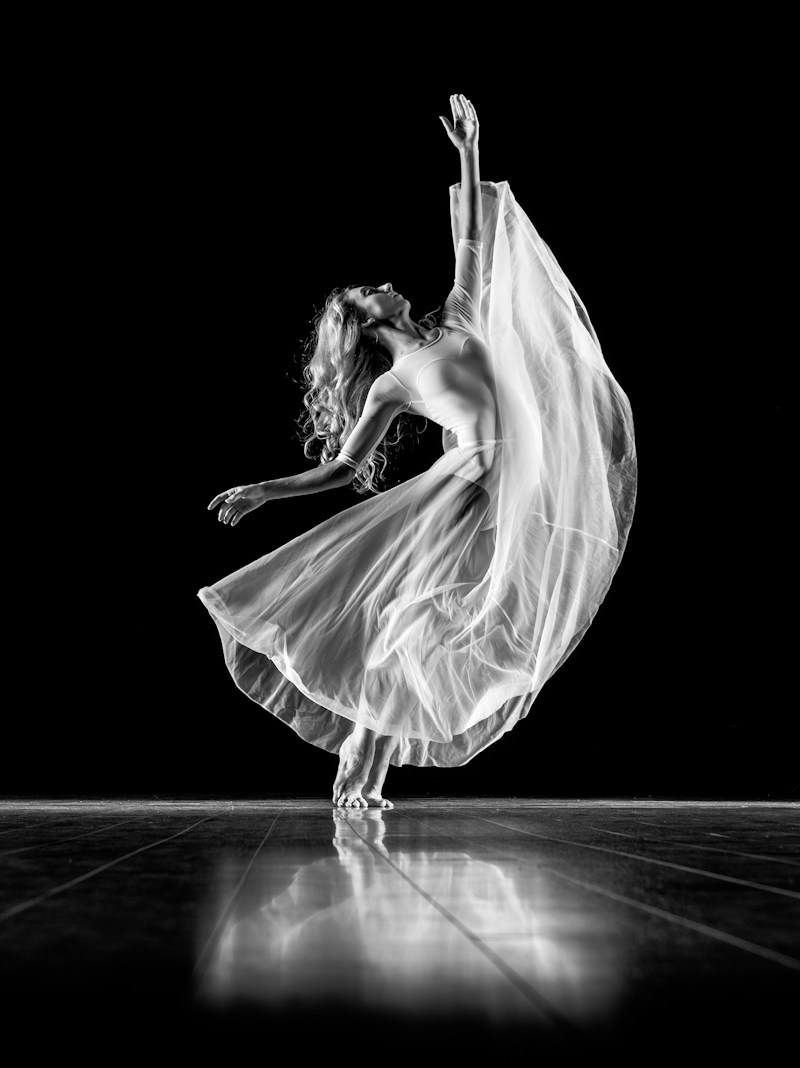
Ask anyone who has danced through a difficult period in their life, and they will likely describe something that clinical language struggles to capture. There is a moment in movement where the weight you carry — grief, self-doubt, worry — does not vanish, but shifts. It moves from your mind into your body, and your body knows what to do with it. A heavy heart becomes a heavy stomp. Restless anxiety becomes spinning energy. Sadness becomes a slow, deliberate sway that somehow honors the feeling rather than fighting it.
Dance offers what many mental health interventions cannot: a way to process emotion without words. For people who find talk therapy exhausting, who cannot articulate what they feel, or who carry trauma that lives below language, movement provides an alternative pathway. The body remembers what the mind forgets, and dance lets the body speak.
Practical Steps Toward Dancing for Wellbeing
You do not need to be a trained dancer to access these benefits. Here is how to begin:
- Start private. If self-consciousness is a barrier, dance alone in your room. Close the door, put on headphones, and move however your body wants to move. There is no wrong way.
- Aim for regularity over intensity. Three 20-minute sessions per week is enough to produce measurable changes in mood, according to multiple studies. Consistency matters more than skill.
- Choose music intentionally. Match the music to your emotional state first, then gradually shift it. Feeling heavy? Start with something slow and melancholic, then let the playlist build toward something lighter. This technique, called the iso principle, is used by music therapists worldwide.
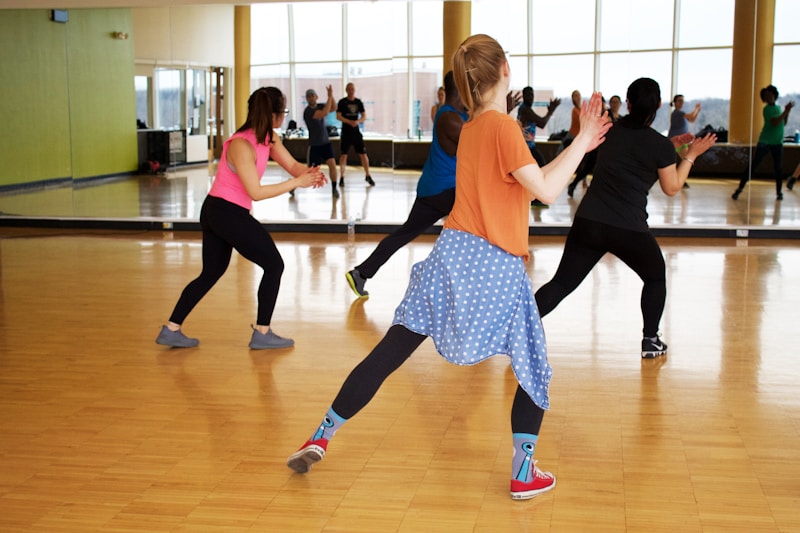
- Try a group class. The social dimension of dance amplifies its mental health benefits. Feeling seen and synchronized with others reduces loneliness and builds a sense of belonging.
- Be gentle with yourself. Dance for mental health is not about performance. It is about presence. Let go of getting it right. Focus on getting it felt.
Dance will not cure clinical depression on its own, and it is not a replacement for professional care when that care is needed. But as a complement to therapy, medication, or simply as a daily practice of self-care, it is extraordinarily effective. The dance floor asks nothing of you except that you show up and move. That, it turns out, is often exactly enough.